
British Virgin Islands: The Ultimate Bucket List Destination Guide for 2025
Discover why the pristine British Virgin Islands should be at the top of your travel bucket list – plus insider tips for experiencing this Caribbean paradise on any budget.
Melinda Brown
11/10/202524 min read
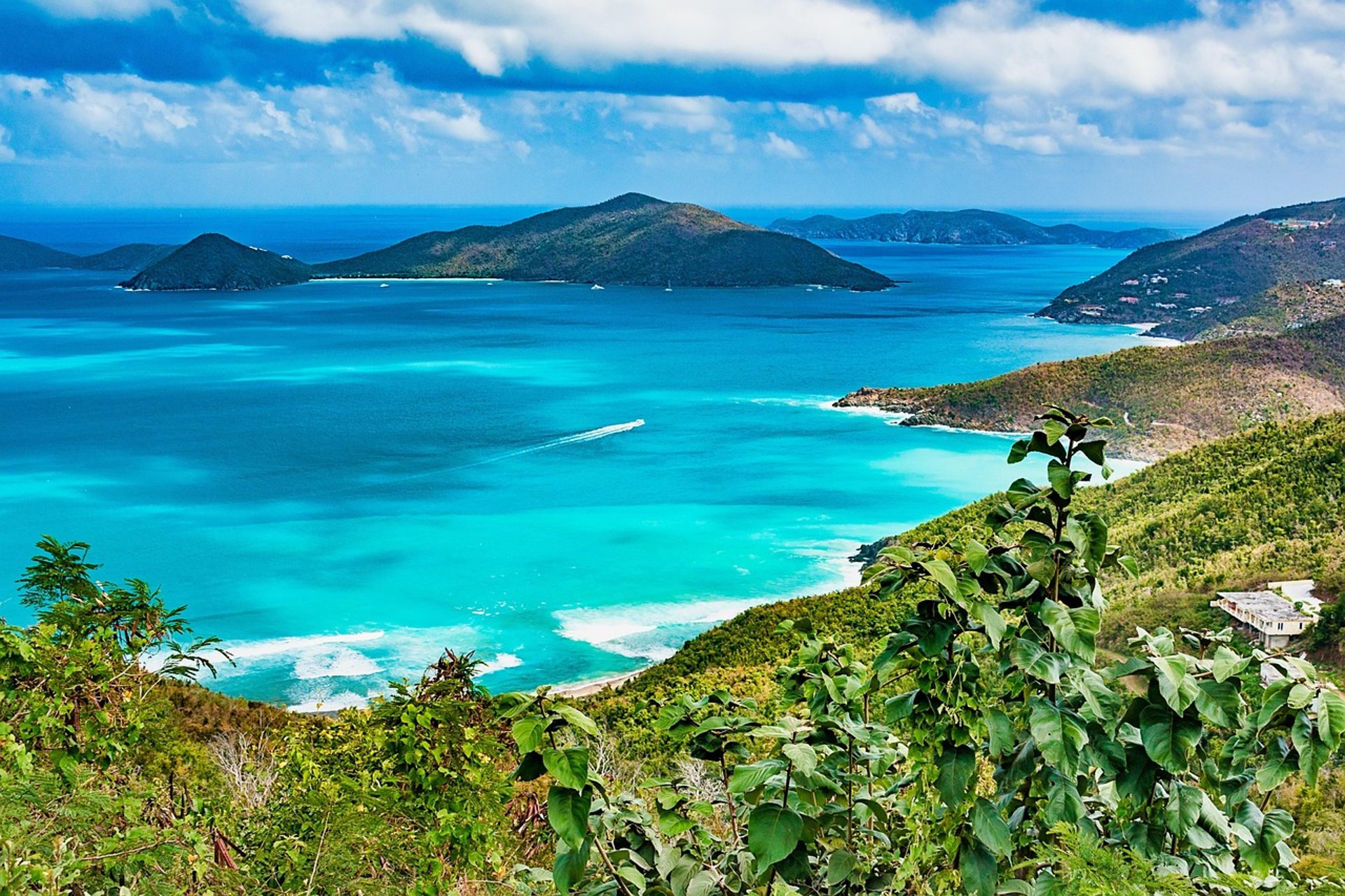
There are few places on Earth quite like the British Virgin Islands. A stunning archipelago of over 60 islands and cays where turquoise waters meet white sand beaches, dramatic granite boulders create natural sculptures, and Caribbean culture thrives in its most authentic form. It's no wonder the BVI consistently ranks as one of the world's most bucket-list-worthy destinations.
As a travel agent who has experienced these incredible islands firsthand, I can tell you that the British Virgin Islands isn't just a destination – it's an experience that captures your heart and stays with you long after you've returned home. Whether you're dreaming of a tropical escape, planning a Caribbean cruise with a BVI port stop, or simply curious about what makes these islands so special, this guide will help you understand why the British Virgin Islands deserve a spot on your bucket list.
Why the British Virgin Islands is the Ultimate Bucket List Destination
The British Virgin Islands offer something truly rare in today's world: unspoiled natural beauty combined with authentic Caribbean culture. Unlike many overdeveloped Caribbean destinations, the BVI has maintained its character, with strict building codes ensuring that no structure rises higher than the palm trees and development remains tasteful and limited.
This archipelago served as a haven for sailors, traders, and adventurers for centuries. The sheltered waters between islands created perfect sailing conditions that sailors still celebrate today, making the BVI the sailing capital of the Caribbean. The islands' relative remoteness helped preserve their natural beauty and authentic island culture that many other Caribbean destinations have lost to mass tourism.
The British Virgin Islands represent that increasingly rare combination: pristine beaches that don't feel crowded, warm hospitality from locals who genuinely welcome visitors, and natural wonders like The Baths that you simply cannot experience anywhere else on Earth. For travelers seeking authentic Caribbean paradise without the commercialization, the BVI delivers an experience that feels both exclusive and accessible.
Top 10 British Virgin Islands Attractions You Can't Miss
10. Cane Garden Bay, Tortola
This crescent-shaped bay on Tortola's north shore is famous for its laid-back Caribbean vibe and legendary beach bars where locals and visitors mingle freely. The soft white sand, clear waters, and backdrop of lush green mountains create postcard-perfect scenery. Visit in the evening when local bands play at beachside bars, and you'll experience authentic island culture – this is where Tortolians come to unwind, making it far more genuine than typical tourist beaches.
Insider Tip: Arrive before sunset to claim a good spot at Quito's Gazebo or Myett's, order the catch of the day, and settle in for live music as the sun dips behind the mountains.
9. Smuggler's Cove, Tortola
Tucked away at the end of a winding road on Tortola's western tip, this secluded beach feels like your own private paradise discovered by accident. The horseshoe-shaped bay offers calm, crystal-clear conditions perfect for snorkeling right off the shore, where you'll spot tropical fish, sea turtles, and occasionally rays. The surrounding hills provide excellent hiking opportunities with panoramic views of the Sir Francis Drake Channel that reward the moderate climb.
What Makes It Special: The journey itself – navigating the narrow, winding road through lush vegetation – adds to the adventure and ensures Smuggler's Cove never feels overcrowded even during peak season.
8. Sage Mountain National Park, Tortola
At 1,716 feet, Sage Mountain is the highest point in all the Virgin Islands (US and British), offering breathtaking panoramic views that on clear days stretch to neighboring islands across the Caribbean Sea. The park features lush rainforest trails where you can spot exotic birds including the pearly-eyed thrasher and bananaquit, ancient trees draped with vines and bromeliads, and experience the BVI's natural ecosystem away from the coast. The cool mountain air and shade provide welcome relief from tropical heat.
Trail Tip: The main trail to the summit takes about 45 minutes at a moderate pace, but allow extra time to enjoy the spectacular viewpoints and photograph the verdant landscape.
7. Jost Van Dyke Island
This tiny island, just four square miles with a population under 300, is famous for its legendary beach bars including the world-famous Foxy's and Soggy Dollar Bar (birthplace of the Painkiller cocktail). It's the perfect day trip destination where you can experience true island hospitality – locals know visitors by name after one visit, creating that authentic small-island feeling that's increasingly rare. The laid-back atmosphere, beautiful beaches like White Bay, and slower pace of life make Jost Van Dyke the antithesis of commercialized tourism.
Don't Miss: Bubbly Pool on the island's eastern side – a natural jacuzzi created by ocean waves crashing over volcanic rocks, creating a churning pool of warm seawater that's both exhilarating and safe.
6. Virgin Gorda Peak National Trail
This challenging but rewarding hike takes you to Virgin Gorda's highest point at 1,370 feet through unique Caribbean dry forest habitat. Along the way, you'll encounter unique wildlife including hermit crabs, anole lizards, and if you're lucky, the endangered Virgin Gorda gecko. The summit observation tower provides 360-degree views encompassing Virgin Gorda, neighboring islands, and the brilliant blue Caribbean Sea stretching to the horizon – views that make the steep climb absolutely worthwhile.
Best Time: Start early morning (by 7 AM) to avoid midday heat and increase chances of spotting wildlife when they're most active.
5. Anegada Island
Anegada is completely different from the other volcanic islands in the BVI – it's flat, remote, and surrounded by one of the Caribbean's largest barrier reef systems. This coral island is famous for incredible bird watching including the Caribbean flamingo population at the salt ponds, miles of pristine, virtually empty beaches where you might be the only person for stretches, and some of the Caribbean's best lobster served at beach shacks right on the sand. The island's remoteness (11 miles north of Virgin Gorda) and limited development create an authentic castaway experience.
Why It's Special: Anegada receives a fraction of BVI visitors due to its distance and the navigation skills required to reach it safely by boat, ensuring it remains gloriously uncrowded and authentic.
4. The Old Government House Museum, Tortola
This beautifully restored colonial building, perched on a hill overlooking Road Town harbor, offers a fascinating glimpse into the islands' history spanning from Arawak indigenous peoples through European colonization to modern times. The museum showcases artifacts, antiques, period furniture, and exhibits about the BVI's past including the sugar plantation era and maritime heritage. The surrounding botanical gardens provide a peaceful retreat filled with tropical plants, flowering trees, and spectacular harbor views that make the steep walk uphill worthwhile.
Hidden Gem: The garden's viewing platform offers one of the best panoramic photos of Road Town and the harbor – bring your camera for this often-overlooked vantage point.
3. Copper Mine Ruins, Virgin Gorda
These dramatic historic ruins from the 1800s tell the story of Virgin Gorda's copper mining past when the island briefly became an important mining center. Perched on windswept cliffs with the turquoise Caribbean as backdrop, the preserved stone structures – including a tall brick chimney stack and mine shaft openings – create a striking contrast against the brilliant blue sky and crashing waves below. The site offers excellent photography opportunities and a tangible connection to the islands' industrial heritage beyond the typical beach paradise narrative.
Photography Gold: Late afternoon light creates stunning contrasts between the reddish stone ruins and blue ocean, making this golden hour for photographers.
2. Callwood Rum Distillery, Tortola
This family-owned distillery has been producing rum the traditional way since the 1700s using methods and equipment that have barely changed in over two centuries. You can tour the rustic facility housed in an aging wooden structure, see the antique copper pot stills still in use today heated by wood fires, learn about the traditional rum-making process from crushing sugarcane to aging in oak barrels, and of course sample their famous Arundel Rum – a strong, smooth spirit that tastes like Caribbean history in a glass.
Authentic Experience: Unlike commercialized distillery tours elsewhere, Callwood remains genuinely rustic and family-operated, offering a glimpse into traditional Caribbean craftsmanship that's rapidly disappearing.
1. The Baths, Virgin Gorda
The Baths represent THE most iconic attraction in all the British Virgin Islands, and they're absolutely breathtaking. Massive granite boulders – some as large as houses – are scattered along the shoreline creating stunning grottos, cathedral-like tunnels, and tidal pools to explore. These unique geological formations, formed millions of years ago by volcanic activity, create natural sculptures and hidden spaces unlike anything else in the Caribbean. Walking through these formations feels like exploring a natural temple, with shafts of sunlight filtering through gaps in the boulders illuminating crystal-clear pools below.
Essential Information: Entrance fee is $3 for adults. Arrive early (before 10 AM) to avoid cruise ship crowds, or visit after 3 PM when most day-trippers have departed. Water shoes are essential – the rocks are slippery and sharp in places. The trail through The Baths to Devil's Bay takes about 30-45 minutes and requires climbing through narrow spaces and over boulders, so moderate fitness is needed. Devil's Bay on the other side is equally beautiful but receives far fewer visitors.
British Virgin Islands Cuisine: What to Eat in Paradise
The BVI's unique position as a cultural crossroads created a cuisine that blends West African traditions, British colonial influences, and fresh Caribbean ingredients into something distinctly its own.
Roti
This Indian-influenced dish features a soft, thin flatbread wrapped around curried vegetables, chicken, or beef seasoned with a fragrant blend of turmeric, cumin, coriander, and island peppers. The combination sounds simple, but the flavors are complex and satisfying – it's comfort food at its finest. Roti came to the Caribbean through Indian indentured laborers in the 19th century and became thoroughly integrated into island cuisine, with each island developing its own variations and favorite fillings.
Where to Try It: Local spots throughout Tortola serve excellent roti, but don't miss the versions at D'Best Cup in Road Town, where locals queue up for takeaway during lunch hours.
Callaloo
This nutritious Caribbean staple showcases the islands' African heritage. Callaloo is made from leafy greens (typically dasheen or taro leaves) cooked down with herbs, spices, okra, and sometimes coconut milk until it reaches a thick, stew-like consistency. The result is earthy, savory, and uniquely Caribbean – absolutely delicious and packed with nutrients. Traditionally, callaloo was slave food made from whatever greens were available, but it evolved into a beloved dish found on every BVI table from beachside shacks to upscale restaurants.
Local Secret: The best callaloo often comes from someone's grandmother's kitchen – if you see it as a daily special at a local restaurant, order it immediately.
Fish and Fungi
This is the unofficial national dish of the British Virgin Islands, and for good reason. Fresh fish (typically snapper, grouper, or mahi-mahi) is prepared in various ways – steamed, fried, or stewed – and served alongside fungi, a savory cornmeal-based side dish that sits somewhere between polenta and grits. Made by stirring cornmeal into boiling water with okra until it reaches a smooth, dense consistency, fungi provides the perfect foundation for soaking up flavorful fish sauces and gravies. The combination is pure Caribbean comfort food that appears at nearly every traditional BVI meal from beach bars to family gatherings.
Cultural Note: Fish and fungi represents the heart of BVI cuisine, showcasing the islands' maritime heritage and African culinary influences that shaped Caribbean cooking traditions. Don't let the name "fungi" fool you – there are no mushrooms involved, just delicious cornmeal goodness!
Foodie Tip: For the most authentic BVI dining experience, eat where the locals eat. Look for unassuming spots with handwritten menus, limited seating, and parking lots full of local vehicles. These family-run restaurants serve the most authentic island cooking at prices far below tourist-oriented establishments.
Adventure Activities for the Experiential Traveler
The British Virgin Islands offer more than beaches and relaxation – these unique experiences add adventure and hands-on excitement to your Caribbean getaway.
Kiteboarding and Windsurfing
The BVI's consistent trade winds (15-25 knots) and protected shallow waters create some of the Caribbean's best conditions for wind-powered water sports. Whether you're a complete beginner or advanced rider, several schools on Tortola and Virgin Gorda offer lessons and equipment rentals. The combination of reliable wind, warm water, and stunning scenery makes learning these sports here ideal. Advanced riders can challenge themselves in open water passages between islands where wind and waves increase.
Best Locations: Trellis Bay on Tortola's East End offers ideal conditions for beginners with shallow water and steady winds, while experienced riders head to Anegada's windward side for more challenging conditions.
Deep-Sea Fishing
The waters surrounding the BVI are teeming with game fish including blue marlin, tuna, wahoo, mahi-mahi, and barracuda. Charter a fishing boat with experienced local captains who know exactly where fish are biting based on seasons, currents, and years of experience. Half-day and full-day charters are available, with boats ranging from basic to luxury vessels equipped with top-end tackle. The thrill of landing a big catch in these pristine Caribbean waters creates memories that last far longer than any beach day.
Insider Advantage: Many charter captains will clean and fillet your catch, and some can arrange for local restaurants to prepare your fish for dinner that evening – ocean to table doesn't get fresher than this.
Rock Climbing at The Baths
Those massive granite boulders at The Baths aren't just for exploring – experienced climbers can tackle some truly unique routes with spectacular views. The bouldering opportunities here are unlike anywhere else, combining technical climbing challenges with stunning Caribbean scenery. Several routes range from beginner-friendly scrambles to advanced technical climbs requiring proper gear and experience. The rock is solid granite with excellent grip, and the ocean backdrop makes every climb feel like an adventure.
Important Note: Bring your own climbing gear or hire a local guide who provides equipment. Climbing is best at low tide when boulders are dry and accessible. Always climb with a partner and inform someone of your plans for safety.
Best Time to Visit the British Virgin Islands
Timing your BVI trip correctly can mean the difference between a dream vacation and a weather-impacted, overpriced disappointment.
Ideal Months: December through April
These months represent the absolute sweet spot of perfect weather, manageable crowds (outside Christmas/New Year and spring break), and optimal sailing conditions. The dry season brings lower humidity, consistent trade winds, comfortable temperatures perfect for beach days and water activities, and virtually guaranteed sunshine. This is peak season for good reason – the weather is reliably spectacular day after day.
Average Temperatures: 75-82°F with low humidity, gentle breezes, and minimal rainfall.
Shoulder Season Gems: May and June
If you're looking for slightly better deals while maintaining excellent weather, May and early June offer a sweet spot. The weather remains beautiful with only occasional brief rain showers, crowds thin considerably after Easter, and accommodation prices drop 20-30% compared to peak winter season. These months provide nearly perfect conditions for all activities while offering better value and a more relaxed island atmosphere.
Bonus: Late May through June is prime time for mango season – the islands' trees overflow with ripe fruit, and local restaurants feature mango in everything from smoothies to desserts.
Avoid: September and October (Unless You Accept the Risk)
Peak hurricane season brings the highest risk of tropical weather systems, potential for strong storms, and the real possibility of businesses being closed or activities canceled. While you can find incredible deals during these months (40-60% off peak rates), the weather risk simply isn't worth it for a bucket list trip you've been dreaming about. If a hurricane or tropical storm hits during your visit, your entire vacation could be ruined.
Reality Check: Many hotels and restaurants close for annual maintenance during September and October precisely because this is the riskiest weather period.
Budget Travel: Late April or Early December
For the best combination of good weather and value pricing, consider the shoulder periods right at the edges of peak season. Late April (after Easter) and early December (before Christmas week) offer excellent weather conditions at prices 30-40% lower than peak season. You'll need some flexibility in your plans, but the weather is generally reliable and the islands feel less crowded.
Essential British Virgin Islands Travel Tips
1. Driving: Left Side of the Road, Left-Side Steering
The BVI follows British driving traditions – traffic moves on the left side of the road. However, most rental cars have left-hand drive (American-style), which takes serious adjustment. Add narrow, winding, steep roads with occasional potholes and hairpin turns, and driving becomes genuinely challenging. If you're not comfortable with this combination, hire taxi drivers or use public transportation – it's worth the extra cost for peace of mind.
Alternative: Many taxis offer island tours at reasonable rates, combining transportation with local knowledge and commentary.
2. Cash is Still King in Many Places
While the official currency is the U.S. dollar (extremely convenient for American travelers), credit cards aren't universally accepted. Many smaller restaurants, beach bars, local shops, and water taxis operate cash-only. ATMs are limited outside Road Town, Tortola, so bring sufficient cash from home or withdraw larger amounts when you do find ATMs.
Smart Strategy: Carry small bills ($1, $5, $10, $20) as many small businesses struggle to make change for $50 or $100 bills.
3. Island Time is Real – Embrace It
Service in the BVI operates on "island time," which means things happen at a more relaxed pace than you're probably used to. Restaurant service might be slower, ferry schedules can be flexible, and appointments aren't always strictly punctual. This isn't poor service – it's cultural. Fighting it creates frustration; embracing it allows you to slow down and actually enjoy your vacation.
Mindset Shift: Build extra time into your plans, never schedule things back-to-back, and remember that you're on vacation – being in a hurry defeats the purpose.
4. Ferry Schedules: Check, Recheck, and Ask Locals
Inter-island ferries are essential for exploring multiple islands, but published schedules aren't always perfectly accurate. Ferries sometimes leave early if all passengers are aboard, occasionally run late, and may modify schedules based on weather or demand. Always arrive 15-20 minutes early, buy round-trip tickets when possible, and ask locals for the most current timing information.
Pro Tip: Take photos of posted ferry schedules at each dock, as they're often more current than online schedules.
5. Sun Protection is Not Optional
The Caribbean sun is significantly more intense than most North American or European locations. High-SPF reef-safe sunscreen is essential (and increasingly required by law to protect coral reefs), along with a wide-brimmed hat, UV-protective sunglasses, and rash guards for water activities. Reapply sunscreen every two hours and after swimming – even on cloudy days, UV rays penetrate clouds easily.
Warning: Reflection off water intensifies sun exposure dramatically. Many visitors get severely burned while snorkeling or on boats despite applying sunscreen, so reapply more frequently during water activities.
6. Respect the Islands and Island Culture
The BVI remains relatively unspoiled because locals actively protect their home. Show respect by taking all trash with you (littering is heavily fined), never touching or standing on coral reefs, avoiding single-use plastics when possible, dressing modestly when away from beaches, and supporting locally-owned businesses over international chains. Remember that you're visiting people's home, not a theme park.
Cultural Courtesy: Greet people with "good morning," "good afternoon," or "good evening" before launching into questions or requests – it's considered basic politeness in BVI culture.
7. Book Accommodations Early for Peak Season
The BVI's limited development means accommodation options are relatively scarce compared to other Caribbean destinations. During peak season (December through April), the best properties book up months in advance and prices rise dramatically. If you're planning a winter visit, start looking at least 6-9 months ahead for the best selection and pricing.
British Virgin Islands for Cruise Travelers: Making the Most of Your Port Day
The BVI ranks among the Caribbean's most popular cruise destinations, with ships typically docking at Road Town, Tortola, or tendering at Virgin Gorda. If you're visiting the BVI as part of a cruise itinerary, here's how to maximize your limited time:
Must-See if Docked at Tortola (5-6 hours):
The Baths, Virgin Gorda – Take the ferry from Road Town to Virgin Gorda (30-40 minutes each way). This is THE must-see BVI attraction, and it's absolutely worth the ferry ride. Book skip-the-line entrance if possible.
Road Town exploration – Visit the Old Government House Museum for history and stunning harbor views (1-1.5 hours).
Cane Garden Bay – If time permits, taxi to this famous beach for lunch and authentic island atmosphere (1-2 hours).
Must-See if Tendered at Virgin Gorda (4-5 hours):
The Baths – You're already here, so this is non-negotiable. Allow 2-3 hours to properly explore.
Copper Mine Ruins – Just minutes from The Baths, these dramatic clifftop ruins offer history and incredible photos (30-45 minutes).
Spanish Town – The main settlement offers local shopping, authentic restaurants, and a glimpse of real BVI life (1 hour).
Logistics Tips:
Arrive early: If your ship tenders, get in line for the first boats to shore to beat crowds at popular sites.
Pre-book tours: Cruise ships disgorge thousands of passengers simultaneously. Pre-booking ensures you get spots on ferries and at attractions.
Watch the time: Leave yourself generous cushion time to return to the ship – missing departure because you're stuck in ferry lines is not worth it.
Consider ship excursions: While often more expensive, ship-arranged excursions guarantee you'll return on time and provide transportation logistics.
Skip the Ship Excursion If:
You're comfortable navigating independently, want more authentic local experiences, and have researched ferry schedules and taxi rates. Independent exploration costs 40-60% less than ship excursions and offers more flexibility.
Luxury vs. Budget: Experiencing the BVI at Any Price Point
One of the things I love most about the British Virgin Islands is that paradise is accessible to travelers at every budget level.
Luxury BVI Experience
Accommodations: Stay at exclusive resorts like Rosewood Little Dix Bay on Virgin Gorda, Oil Nut Bay's private villas, or Scrub Island Resort, where rooms and villas start at $800-$3,000+ per night with unparalleled service, private beaches, water sports equipment, and sometimes private boat access to other islands.
Dining: Book tables at upscale restaurants like CocoMaya on Virgin Gorda or The Restaurant at Leverick Bay, where fresh seafood and Caribbean-fusion cuisine with spectacular water views runs $75-150+ per person. Private chef services are available for villa stays.
Experiences: Charter a private yacht with crew for the ultimate BVI experience (starting at $25,000+ per week for luxury catamarans), book private water taxi service between islands ($100-150 per transfer), arrange after-hours private tours of The Baths ($200+ per person), and enjoy helicopter tours over the islands ($300-500 per person).
Total Luxury Week: $8,000-15,000+ per person including accommodations, dining, activities, and yacht charters.
Budget BVI Experience
Accommodations: Family-run guesthouses and simple hotels in Road Town or other main settlements cost $100-180 per night during peak season, much less during shoulder season. These properties offer clean, comfortable basics in residential areas where you'll experience authentic island life.
Dining: Eat at local spots like D'Best Cup, Omar's Fusion, or beachside shacks on Jost Van Dyke where you'll get authentic Caribbean food for $10-25 per meal. Buy fresh produce at Road Town's market and prepare some meals if your accommodation has kitchen facilities. Budget $30-50 per day for excellent, authentic food.
Experiences: Public ferries between islands ($15-30 per trip) instead of private water taxis, hiking trails (free), The Baths entrance ($3), free beaches throughout the islands, and self-guided exploration using free maps and apps. Many beach bars on Jost Van Dyke offer free mooring for dinghies if you rent a small boat for the day.
Total Budget Week: $1,200-2,000 per person including accommodations, food, ferries, and basic activities.
Luxury on a Budget: My Secret Strategy
Visit during shoulder season (May or early December) when even luxury hotels drop prices 30-50%. Splurge on ONE special experience like a day sail ($100-150 per person for shared boat trips) but use public ferries otherwise. Stay on Tortola where accommodation is more affordable and take day trips to other islands. Mix budget meals at local spots with one or two nicer dinners at upscale restaurants. This balanced approach gives you authentic luxury moments without breaking the bank while still experiencing the best of the BVI.
Cost of Living and Real Estate: Could You Live in Paradise?
For some travelers, visiting the BVI sparks dreams of relocating permanently. Here's the reality of living costs and real estate in the islands.
Cost of Living Compared to U.S. Cities
The BVI is expensive – significantly more expensive than most U.S. cities. The overall cost of living runs approximately 25-35% higher than Chicago and 40-50% higher than Atlanta. Everything must be imported by boat or plane, which drives up prices considerably.
Groceries: Expect to pay $500-700 monthly for one person, with imported items costing 50-100% more than U.S. prices. Fresh produce is expensive except during local harvest seasons.
Utilities: Electricity is expensive (around $0.35-0.45 per kWh) due to diesel generation, leading to monthly bills of $200-400+ for average homes. Water, internet, and other utilities add another $100-200 monthly.
Dining Out: Restaurant meals cost $15-30 for casual spots, $40-80+ for mid-range restaurants, and can exceed $100+ per person at upscale establishments.
Transportation: Gas is expensive ($5-7 per gallon), and vehicle costs are high due to import taxes. However, the islands are small, so you don't drive long distances.
Real Estate: Expensive Paradise
Home Prices: The average home in the BVI costs $600,000-800,000, with beachfront and premium view properties easily exceeding $1.5 million to several million dollars. In comparison, Chicago's median home price is around $320,000, and Atlanta's is approximately $380,000.
Rental Market: Monthly rental costs are substantial:
One-bedroom apartment: $1,800-2,500
Three-bedroom house: $3,000-5,000+
Luxury villas: $8,000-20,000+
Compare this to Chicago one-bedroom apartments averaging $1,600 or Atlanta at approximately $1,400, and you see the premium for island living.
Property Ownership: Foreign buyers face no restrictions on purchasing BVI property, but should budget for additional costs including stamp duty (4-12% of purchase price), legal fees (2-3%), and annual property taxes.
Is the BVI Good for Retirement?
Pros:
Spectacular year-round weather
Safe, peaceful environment
English-speaking (no language barrier)
Stunning natural beauty
Active expat community
Cons:
Very high cost of living
Limited healthcare facilities (serious conditions require travel to Puerto Rico or U.S. mainland)
Island isolation can feel limiting
Hurricane risk requires evacuation planning
Challenging and expensive to become a legal resident
Bottom Line: The BVI works well for retirees with substantial fixed incomes who can afford the high costs, don't have serious health conditions requiring specialized care, and embrace the isolation and pace of island life.
Citizenship and Residency
Becoming a BVI citizen or even long-term resident is quite challenging. The BVI is a British Overseas Territory with its own immigration system.
Residency Requirements:
Must obtain a residency permit through employment, business ownership, or proving substantial financial means (typically $100,000+ in annual income from outside the BVI)
Must maintain legal residence for 20 years before becoming eligible for "belonger status" (the BVI equivalent of permanent residency)
Only after obtaining belonger status can you apply for British Overseas Territories Citizenship
Fast Track Options:
Significant investment in approved real estate or business ventures (generally $400,000+) may qualify you for expedited residency permits
Even with investment, full citizenship takes many years
Reality Check: The BVI doesn't make immigration easy. This is deliberate policy to protect the small local population and limited resources. If you're seriously considering moving to the BVI, consult with an immigration attorney specializing in British Overseas Territories.
Climate and Weather: What to Expect Year-Round
Understanding the BVI's seasonal weather patterns helps you plan the perfect trip.
Winter (December-February): Peak Season
Average Temperatures: 75-82°F Conditions: Warm, sunny, and comfortable with lower humidity than summer. Brief occasional showers clear quickly. Perfect weather for every activity. Trade Winds: Consistent 15-20 knot easterly winds keep things comfortable and create ideal sailing conditions. Why Visit: Guaranteed beautiful weather, escape winter cold at home, and optimal conditions for all water sports.
Spring (March-May): Ideal Travel Period
Average Temperatures: 77-85°F Conditions: Still mostly dry through April with increasing warmth. May begins transition toward wetter season with more frequent afternoon showers, but these typically pass quickly. Trade Winds: Remain strong and consistent, maintaining comfortable conditions despite rising temperatures. Why Visit: Less crowded than winter, better pricing, mango season in late May, and still excellent weather overall.
Summer (June-August): Hot and Humid
Average Temperatures: 80-88°F Conditions: Hot with higher humidity and more frequent rain showers, though these are usually brief afternoon thunderstorms. Water temperatures reach their warmest (82-86°F). Hurricane Season Begins: Official season starts June 1, but significant storm risk remains relatively low until August. Why Visit: If you don't mind heat and humidity, summer offers the best deals with fewer tourists and still-beautiful conditions between rain showers.
Fall (September-November): Hurricane Season Peak
Average Temperatures: 79-86°F Conditions: Warm and humid with highest rainfall. September and October represent peak hurricane season with significant storm risk. November sees hurricane risk decline dramatically. Why Skip It: The risk of tropical weather systems potentially disrupting or ruining your bucket list vacation simply isn't worth the discount pricing. Exception: Late November offers improving conditions, lower prices, and decreased storm risk for budget-conscious travelers willing to accept some uncertainty.
Language and Culture: Caribbean Authenticity
English Spoken Everywhere
Communication is wonderfully easy – English is the official language and is spoken throughout the islands. You'll hear delightful Caribbean accents and occasional local expressions, but there's zero language barrier for English speakers. This makes navigation, dining, activities, and all interactions straightforward for American, Canadian, and British travelers.
Island Time and Liming: A Way of Life
One of the most fascinating and important aspects of BVI culture is the concept of "island time" and the tradition of "liming." These aren't just casual phrases – they represent a genuine Caribbean philosophy about what matters in life.
Island Time: In the BVI, relationships matter more than rigid schedules. When you're at a restaurant or shop, service might be slower than you're used to because staff are taking time to genuinely connect with each customer. A simple transaction becomes a conversation. Strangers greet each other warmly. There's a genuine sense of community and unhurried living that prioritizes human connection over efficiency.
Liming: This uniquely Caribbean concept means hanging out, socializing, and simply enjoying the present moment without agenda or schedule. Whether it's sharing stories at a beach bar, gathering with friends to watch the sunset, playing dominoes in a town square, or just sitting on a porch watching the world go by, liming is considered essential to life. It's not laziness – it's prioritizing relationships and experiences over productivity and achievement.
Cultural Context: This approach developed partly from the African heritage of many BVI residents, partly from the reality of island life where rushing rarely accomplishes much, and partly from the Caribbean climate that discourages hurrying in the heat. Understanding and respecting this cultural difference transforms potential frustration into appreciation for a different, arguably healthier way of living.
Travel Tip: Embrace island time rather than fighting it. Build extra time into your schedule, never book things back-to-back, greet people warmly before making requests, and remember that you're on vacation specifically to escape the rushed pace of regular life.
How Travel Changed My Life (And How It Could Change Yours)
The travel industry has transformed my life in ways I never imagined when I first started exploring the world. Each destination I visit – whether it's discovering The Baths in the British Virgin Islands, navigating Venice's canals, or exploring markets in Morocco – doesn't just add stamps to my passport. It adds depth to my ability to serve clients with genuine insight and personal experience.
When I help clients plan their BVI vacation, I'm not reading from guidebooks or repeating online reviews. I can tell them that The Baths are absolutely worth the hype but to arrive before 10 AM to avoid crowds, that Smuggler's Cove requires a challenging drive but rewards you with near-private paradise, that the fungi at local restaurants tastes completely different from tourist spots, and that embracing "island time" transforms potential frustration into vacation bliss.
That destination knowledge – gained through firsthand experience – is what transforms a good trip into an extraordinary one for my clients. When they return from their BVI adventure raving about The Baths, thanking me for the local restaurant recommendation, or sharing stories about unexpected moments I helped them find, that's when I know this career choice was absolutely right.
Travel agents who invest in destination knowledge through personal travel bring immeasurable value to their clients. You're not just booking hotels and flights – you're curating experiences based on genuine insight. You understand that the ferry schedule might be flexible, that water shoes are essential at The Baths, that Jost Van Dyke's beach bars are worth the extra boat ride, and that the best roti comes from the unassuming spot locals frequent rather than the restaurant with the perfect Instagram aesthetic.
This professional development – visiting destinations, understanding local culture, testing different experiences – directly enhances your ability to serve clients effectively. You're checking off your own bucket list items while simultaneously building the expertise that allows you to create better travel experiences for others. It's a beautiful alignment of personal passion and professional growth that few careers offer.
If you love to travel, if you love helping others create memories and experiences that last a lifetime, then becoming a travel agent offers a pathway to turn your passion for travel into income. You're not just selling vacation packages – you're sharing knowledge gained through your own explorations, helping families create their bucket list adventures, and building a business around something you genuinely love.
The British Virgin Islands represent exactly the kind of destination that reminds me why I love this career. These islands aren't just another beach destination – they're a unique Caribbean paradise that requires local knowledge to truly appreciate. Being able to guide clients to hidden gems like Smuggler's Cove, warn them about the challenges of BVI driving, and share authentic restaurant recommendations that transform their trip from good to unforgettable – that's the reward of turning travel passion into a lifestyle business.
Final Thoughts: Your BVI Adventure Awaits
The British Virgin Islands represent Caribbean paradise in its most authentic form – a stunning archipelago where natural beauty, genuine island culture, and unique experiences combine to create a truly bucket-list-worthy destination. From the iconic granite boulders of The Baths to the laid-back beach bars of Jost Van Dyke, from rainforest hiking on Sage Mountain to the remote beauty of Anegada, the BVI offers layers of experience that reward both first-time visitors and returning travelers.
Whether you're planning a luxury yacht charter, a budget-conscious island-hopping adventure, or a cruise port stopover, these islands will exceed your expectations. The key is thoughtful planning: visiting during optimal weather months, respecting local culture and island time, venturing beyond the obvious tourist spots, and approaching the BVI with the curiosity and wonder these islands deserve.
The British Virgin Islands aren't trying to be something they're not. These islands remain authentically Caribbean – where locals still greet you warmly, where beaches aren't lined with high-rise resorts, where the pace of life reflects actual island culture rather than manufactured tourism experiences. That authenticity is increasingly rare in our over-commercialized world, making the BVI all the more precious.
Before You Go: Essential Reminders
Check current entry requirements and travel restrictions before booking – regulations can change
Book popular attractions and ferries early during peak season to ensure availability
Respect the islands – you're visiting people's homes and a fragile ecosystem, not a theme park
Bring cash for many local businesses that don't accept credit cards
Embrace island time and you'll enjoy your vacation infinitely more
Support authentic local businesses over international chains when possible
Plan for flexibility – weather, ferries, and schedules may not always go exactly as planned
Your British Virgin Islands journey starts now. Whether your trip is next month or next year, the planning begins today. The BVI stands among the Caribbean's greatest destinations – an archipelago that continues to inspire, relax, and reward travelers who make the journey to these remarkable islands.
Frequently Asked Questions About British Virgin Islands Travel
How many days do you need in the BVI? A minimum of 5-7 days allows you to see major attractions and explore multiple islands without rushing. Seven to ten days lets you slow down, enjoy the island pace, visit more remote spots like Anegada, and truly embrace the BVI lifestyle.
Is the British Virgin Islands expensive to visit? The BVI can be pricey, especially for accommodations and dining in tourist areas. However, budget travelers can enjoy the islands by staying in guesthouses on Tortola, eating at local spots, using public ferries, and visiting free beaches and hiking trails. Expect to spend $150-250 per day for mid-range travel, though luxury travelers can easily spend $500-1,000+ daily.
When is the BVI least crowded? May, early June, and late November through early December (excluding Christmas week) offer the fewest crowds. Early mornings (before 10 AM) and late afternoons (after 3 PM) are also less crowded even during peak season.
Is the BVI safe for tourists? The BVI is very safe with low crime rates, especially violent crime. The main concerns are typical tourist issues like petty theft from unlocked rental cars and occasionally overcharged taxi fares. Standard travel precautions are sufficient. The islands have a strong sense of community where locals look out for visitors.
Do I need a car in the BVI? It depends. On Tortola, a rental car offers freedom to explore beaches and attractions on your own schedule, though driving on the left with challenging roads requires confidence. Virgin Gorda is small enough that taxis work fine for most visitors. For island-hopping, you'll rely on ferries regardless. Many visitors combine rental car days with taxi and ferry travel based on daily plans.
What should I not miss in the BVI? Don't miss The Baths on Virgin Gorda (absolutely essential), a beach day on Jost Van Dyke (for authentic island culture), trying local food at family-run restaurants (roti, callaloo, and fungi), watching sunset from any west-facing beach, taking a ferry ride between islands (the journey is part of the experience), and getting intentionally lost exploring Tortola's back roads and quiet beaches away from tourist areas.
Can you island-hop in the BVI? Absolutely! Island-hopping is one of the best ways to experience the BVI. Public ferries connect Tortola, Virgin Gorda, Jost Van Dyke, and Anegada at reasonable prices ($15-30 per trip). Many visitors stay on one island but take day trips to others. Alternatively, chartering a boat (from budget day sails to luxury yacht charters) offers maximum flexibility for exploring multiple islands on your own schedule.
What's the difference between the BVI and USVI? The British Virgin Islands and U.S. Virgin Islands are separate territories with distinct identities. The BVI is a British Overseas Territory (drive on left, currency is USD but British Territory governance), while the USVI is U.S. territory (American driving, laws, currency). The BVI tends to be less developed, more expensive, quieter, and arguably more pristine than the USVI. Both offer stunning Caribbean beauty but with different atmospheres and infrastructure levels.
Ready to plan?

Privacy note: This video is embedded from YouTube. Loading or playing it may allow YouTube/Google to receive device, usage, cookie, or similar information under Google’s Privacy Policy.
Trinity World Travel
custom-designed experiences
melinda@trinityworldtravel.com
(847) 250-7394
© 2026 Trinity World Travel. All rights reserved.
work with us